Why Your Homemade Sauces Separate (And The Pro Secrets for Silky Perfection Every Time)
You’ve spent time carefully chopping, simmering, and stirring, only to watch your beautiful sauce — be it a hollandaise, a pan sauce, or a creamy pasta topping — suddenly break, leaving an unappetizing puddle of oil or water. It’s a frustrating moment, one I’ve certainly experienced more times than I’d like to admit in my own kitchen. The separation of a sauce is not just about aesthetics; it often means a loss of flavor, texture, and the very essence of what makes a sauce good: its ability to bind ingredients and coat food evenly.
For years, I blamed my ingredients, my pan, or even just ‘bad luck.’ I’d whisk harder, heat slower, or cool faster, often to no avail. What I eventually learned, through countless experiments and a deep dive into the science of cooking, is that sauce separation, or breaking, is almost always due to a handful of common, often overlooked, mistakes. These aren’t about fancy techniques or expensive equipment; they’re fundamental principles of emulsion and heat management that, once understood, change everything. When I started applying these specific principles, my sauces went from hit-or-miss to consistently silky, stable, and restaurant-quality.
This isn’t another generic guide. This is about understanding the why behind the separation, so you can prevent it. We’ll uncover the hidden culprits – from temperature shocks to ingredient ratios – and equip you with the actionable, pro-level insights that will transform your sauce game. Get ready to banish broken sauces from your kitchen forever.
Key Takeaways
- Control Temperature Differentials: Avoid large temperature swings when combining liquids, especially when adding cold dairy or eggs to hot mixtures.
- Maintain Consistent Heat: Overheating, or heating too quickly, destabilizes delicate emulsions and causes separation.
- Master the Emulsion Ratio: Understand that a stable emulsion requires precise ratios of fat to liquid and an effective binding agent.
- Add Stabilizers Strategically: Introduce ingredients like flour, cornstarch, or mustard gradually and with proper cooking to prevent breaking.
The Temperature Shock Trap: Why Drastic Changes Destroy Emulsions
In my early cooking days, I often treated hot and cold ingredients like they were always compatible. My pan sauce would be sizzling, and I’d confidently dump in a splash of cold cream, only to watch it instantly curdle or split into an oily mess. Or, I’d try to make a quick vinaigrette by whisking oil into cold vinegar, and it would stubbornly refuse to thicken, eventually separating into distinct layers. This, I learned, is the temperature shock trap, and it’s one of the most common reasons sauces break.
Emulsions, like hollandaise, mayonnaise, or even a simple cream sauce, rely on fat and water molecules being evenly dispersed. When you introduce a cold liquid or fatty ingredient (like butter, cream, or egg yolks) into a significantly hotter mixture, the sudden temperature change can cause the fat globules to clump together and separate from the water. The delicate balance that keeps the emulsion stable is violently disrupted.
What changed everything for me was the concept of tempering. It sounds fancy, but it simply means gradually bringing ingredients to a similar temperature before combining them. For a cream sauce, this means taking the cream out of the fridge 15-20 minutes before you plan to use it, letting it warm up slightly, or even gently warming it in a separate saucepan over low heat before adding it to a hot pan. For a hollandaise, it’s about slowly drizzling warm clarified butter into already-warmed egg yolks, whisking constantly, rather than shocking cold yolks with hot fat.
Think of it like this: oil and water naturally resist mixing. An emulsifier (like egg yolk lecithin or mustard in a vinaigrette) acts as a bridge, helping them co-exist. But extreme temperature differences can burn that bridge. For example, if you’re making a cheese sauce, adding cold grated cheese directly to a very hot liquid can cause the fat in the cheese to seize and separate from the milk proteins, leading to a grainy, oily sauce. Instead, remove the pan from the heat, let it cool slightly, then add the cheese in batches, stirring until each batch is melted and smooth before adding more. This gradual introduction allows the fats and proteins to integrate smoothly, preventing separation.
By consciously managing temperature, you’re not just preventing a culinary disaster; you’re actively creating a stable environment where your sauces can achieve that velvety, integrated texture you crave.
The Overheating & Undercooking Paradox: Finding the Sweet Spot for Stability
Another major culprit in sauce separation is improper heat management—specifically, both overheating and undercooking. This might seem contradictory, but each presents its own unique challenge to sauce stability.
Overheating is a common pitfall, particularly with dairy- and egg-based sauces. Imagine simmering a cream sauce too vigorously or for too long. The high heat can cause the milk proteins to curdle and clump, expelling the fat and water. The fat separates, creating that greasy, broken look. Similarly, an egg-yolk emulsion like hollandaise or beurre blanc is incredibly delicate. If the temperature gets too high, the egg yolks will cook and scramble, breaking the emulsion beyond repair. In my experience, the moment a cream sauce starts to boil furiously, or an egg yolk sauce feels like it’s thickening too quickly, it’s already a warning sign. The solution here is almost always gentle, consistent heat, typically medium-low, and often using a double boiler for very delicate egg emulsions to ensure indirect heating.
On the flip side, undercooking can also lead to separation, especially with sauces thickened by starches (flour, cornstarch, arrowroot). When you make a béchamel or a gravy, you’re creating a roux (fat + flour) and then adding liquid. The starch granules in the flour need sufficient heat and time to burst and fully hydrate, which is what gives the sauce its thickening power. If you don’t cook the sauce long enough, the starch won’t fully activate, and the sauce will be thin. Then, as it cools or sits, the partially hydrated starch can release the liquid it was holding, leading to a watery, separated mess. This is often seen in gravies that look fine in the pot but then separate on the plate.
The sweet spot is crucial. For starch-thickened sauces, that means bringing the sauce to a full simmer and letting it gently bubble for at least 1-2 minutes (longer for denser starches like flour) after the liquid is added. This ensures the starch fully gelatinizes. For delicate dairy and egg sauces, it means never allowing them to reach a hard boil; instead, bring them to a gentle simmer or heat until just thickened, then remove from heat immediately.
Another nuanced point: constant stirring during the cooking process for starch-thickened sauces helps distribute heat evenly and prevents scorching, which can also lead to breaking. For egg-based sauces, it ensures the eggs don’t scramble on the bottom of the pan, keeping the emulsion smooth.
The Ratio Riddle: Why Imbalanced Ingredients Lead to Instability
Many home cooks (myself included, for a long time) approach sauce making with a more-is-more mentality, especially when it comes to fats or liquids. If a sauce isn’t thickening, we might add more butter; if it’s too thick, we might add more broth. However, sauces, particularly emulsified ones, are a delicate chemical dance. The ratio riddle refers to the critical balance of fat, liquid, and emulsifier, which, if imbalanced, almost guarantees separation.
Consider a classic vinaigrette. It’s an emulsion of oil (fat) and vinegar (acid/water), stabilized by an emulsifier like mustard. The general rule of thumb is three parts oil to one part vinegar. If you go too heavy on the oil without enough emulsifier or vigorous whisking, the oil molecules will be too numerous to be properly suspended in the vinegar, and they’ll separate. If you add too much vinegar, you might break the emulsion by diluting the emulsifier’s ability to hold the fat. The key here is precision and gradual addition.
For creamy sauces that rely on dairy fat (like butter or cream), a similar principle applies. A béchamel, for instance, starts with a roux, which is equal parts fat and flour. This specific ratio creates a stable base that can then absorb a certain amount of milk. Deviate too much (e.g., too little flour for the fat, or too much milk for the roux), and the sauce struggles to hold together. The fat will want to separate, or the sauce will become thin and prone to splitting.
What I learned was to respect the recipe’s ratios, especially for foundational sauces. If I was improvising, I’d start with known successful ratios (e.g., 1:1 fat to flour for a roux, 3:1 oil to vinegar for vinaigrette) and adjust incrementally. When adding fat to an emulsion (like butter to a beurre blanc), I’d add it in small, cold cubes, whisking continuously, rather than dumping it all in. This allows the emulsifier (in this case, the reduced wine and sometimes a touch of cream) to gradually incorporate the fat without becoming overwhelmed.
The biggest takeaway is that sauces aren’t just about combining ingredients; they’re about creating a stable system. Understanding and respecting the correct ratios for your specific sauce type is paramount to achieving and maintaining that silky, cohesive texture. When in doubt, start small with additions and taste and observe as you go.
The Case for Emulsifiers & Stabilizers: Your Sauce’s Unsung Heroes
Sometimes, even with perfect temperature control and balanced ratios, a sauce might still feel precariously close to the edge of separation. This is where emulsifiers and stabilizers come in—they are the unsung heroes that provide an extra layer of security, cementing the bond between otherwise reluctant ingredients.
Emulsifiers are agents that help fat and water mix and stay mixed. The classic example is egg yolk. The lecithin in egg yolks is a powerful emulsifier, which is why it’s central to sauces like hollandaise and mayonnaise. Without it, the oil and water would quickly separate. For sauces where egg yolks are too dominant (or undesirable), other emulsifiers can step in. Mustard, for instance, contains compounds that are excellent emulsifiers, making it a common addition to vinaigrettes. Even finely minced garlic or shallots can contribute a mild emulsifying effect due to their natural starches and mucilage.
Stabilizers work a bit differently; they typically thicken a sauce, making it more viscous and thus harder for separated components to move freely. The most common stabilizers are starches like flour, cornstarch, arrowroot, or potato starch. When properly cooked, these starches swell and create a web-like structure that traps liquid and fat, preventing them from separating. This is the principle behind gravies, béchamel, and many Asian sauces.
My personal game-changer was understanding how to properly incorporate these agents.
- For egg yolks: Always temper them. Whisk the yolks with a small amount of the hot liquid first, then gradually add that warmed yolk mixture back into the main sauce. This prevents scrambling and allows the lecithin to do its work effectively.
- For starches: Never add dry starch directly to a hot liquid, or you’ll get lumps and uneven thickening. Instead, create a slurry by whisking cornstarch or arrowroot with a small amount of cold liquid (water, broth, or wine) until completely smooth. Then, slowly whisk this slurry into the simmering sauce, allowing it to cook for a minute or two to fully activate the starch and achieve maximum thickening. For flour, always make a roux first by cooking the flour in fat before adding liquid.
- For mustard: Add it early to vinaigrettes. Whisk it with the vinegar and seasonings first, then slowly drizzle in the oil while whisking vigorously. The mustard helps initiate and hold the emulsion.
Incorporating these agents isn’t a sign of weakness in your cooking; it’s a mark of a strategic and knowledgeable cook who understands how to build robust, stable sauces. They’re your insurance policy against separation, ensuring that rich, silky texture every time.
Breaking & Re-emulsifying: How to Rescue a Split Sauce
It happens to the best of us: despite all precautions, a sauce still breaks. The good news is that a broken sauce is often salvageable, and learning how to fix it is a powerful skill. I remember the panic the first time my painstakingly made hollandaise split. My initial instinct was to throw it out, but a chef friend taught me a few crucial rescue techniques that have saved countless sauces since.
The first step is to identify the cause, if possible, but the rescue mission is fairly universal:
For Emulsified Sauces (e.g., Hollandaise, Mayonnaise, Vinaigrette):
- Stop adding the ingredient that caused the split. If you were adding fat, stop. If it’s overheated, remove from heat.
- Start a new emulsion base: This is the most common and effective technique. In a clean bowl (or the same bowl if you’ve cleaned it), whisk a small amount of an emulsifying agent with a cold liquid. For hollandaise, this means whisking a fresh egg yolk with a teaspoon of cold water or lemon juice. For mayonnaise or vinaigrette, whisk a teaspoon of fresh mustard or another egg yolk with a bit of cold liquid.
- Slowly, slowly, slowly reincorporate the broken sauce: Once your new emulsion base is frothy, start adding the broken sauce to it, drop by drop, while whisking vigorously. This is where patience is key. You’re essentially tricking the new emulsifier into taking on the separated fat and liquid from the old sauce. Continue adding the broken sauce gradually until it’s all incorporated and your sauce is smooth and re-emulsified. For a very oily broken sauce, you might even add a bit more cold liquid to your new base to help thin it out.
For Dairy-Based Sauces (e.g., Cream Sauces, Cheese Sauces):
- Remove from heat immediately. Overheating is often the culprit here.
- Add a splash of cold liquid: This can be cold water, milk, or broth. Stir gently. The sudden temperature drop can sometimes shock the proteins back into submission and encourage re-emulsification.
- Whisk in a small amount of fresh, cold butter or cream: If the sauce is still warm but separated, a tiny knob of cold butter, whisked in off the heat, can sometimes help re-emulsify the sauce by introducing fresh, well-emulsified fat. Same goes for a splash of cold heavy cream.
- Strain if necessary: If your cream or cheese sauce has curdled proteins, you might be able to salvage the liquid portion by straining out the solids. The texture won’t be perfectly smooth, but the flavor might be saved.
Remember, rescuing a broken sauce is about patience and starting fresh with a stable base. It’s a skill that builds confidence and prevents food waste, making you a more resilient cook.
The Ingredient Quality & Freshness Factor: Beyond Just Technique
While technique, temperature, and ratios are crucial, I’ve come to realize that sometimes, the foundation of the problem lies not in what I do, but in what I start with. The ingredient quality and freshness factor is often overlooked but plays a significant role in sauce stability, especially for delicate emulsions.
Take dairy, for example. Older cream or milk, or those with lower fat content, are more prone to curdling or separating under heat. This is because the proteins can become less stable over time or if they are less abundant to begin with. When I started opting for fresh, high-quality heavy cream (at least 36% milk fat) for my sauces, I noticed a dramatic reduction in separation issues. Similarly, for cheese sauces, using fresh, high-quality block cheese that you grate yourself (rather than pre-shredded varieties, which often contain anti-caking agents that can interfere with melting and emulsification) makes a world of difference.
Eggs are another prime example. Fresh, pasteurized egg yolks have a stronger emulsifying power due to the integrity of their lecithin. Older eggs can have weaker yolks that struggle to hold an emulsion. For raw egg sauces like mayonnaise, fresh eggs are also a food safety imperative. I always make sure my eggs are as fresh as possible for critical sauces like hollandaise.
Even fats matter. While clarified butter is often recommended for hollandaise due to its purity, using a lower quality butter with higher water content can introduce more instability. For vinaigrettes, using a good quality, fresh extra virgin olive oil versus an old, rancid one will not only taste better but also emulsify more readily due to its inherent freshness and fatty acid profile.
The takeaway here is simple: don’t compromise on your core ingredients when making a sauce where stability is paramount. A high-fat dairy product, fresh eggs, and quality fats provide the robust molecular structure needed for a strong, resilient emulsion. In my kitchen, this often means a quick check of expiration dates and a deliberate choice for the best quality I can reasonably afford for sauce-critical recipes. It’s an investment that pays off in consistently perfect, silky sauces.
Frequently Asked Questions
Q: What does it mean when a sauce ‘breaks’?
A: When a sauce ‘breaks’ or ‘separates,’ it means the ingredients that were once uniformly mixed have split into distinct layers, often showing oily or watery pools. This typically happens in emulsions where fat and liquid components, along with an emulsifier, fail to stay integrated.
Q: Can I prevent my sauce from breaking by adding more flour or cornstarch?
A: While starches are stabilizers, simply adding more isn’t a foolproof solution and can even make the problem worse if not properly incorporated. Too much raw starch added directly to a hot liquid will create lumps and an unpleasant gummy texture, and the sauce may still separate if other factors like extreme temperature changes or overcooking occur. Always make a slurry with cold liquid first and cook thoroughly.
Q: My butter sauce (like beurre blanc) always breaks. What’s the secret?
A: Beurre blanc is highly susceptible to breaking due to its high butterfat content. The secret lies in temperature control and gradual incorporation. Reduce your wine/vinegar/shallot base to a syrupy consistency, then reduce the heat to very low. Add cold, cubed butter one piece at a time, whisking constantly off the heat until each piece is almost melted before adding the next. Never let it get hot enough to boil, and if it starts to look oily, whisk in a tablespoon of cold water or cream to help re-emulsify.
Q: Why do my cream sauces curdle or separate sometimes, even if I don’t boil them?
A: Aside from rapid temperature changes, acids can cause cream to curdle. If you’re adding wine, lemon juice, or tomatoes to a cream sauce, add the acid first and reduce it before incorporating the cream. Also, using cream with lower fat content or old cream can increase the likelihood of separation. Using heavy cream (36% fat or higher) provides more stability.
Q: Is it safe to eat a broken sauce?
A: In most cases, yes, a broken sauce is still safe to eat as long as the ingredients were fresh and properly cooked initially. The separation is primarily a textural and aesthetic issue, not typically a safety one. However, the flavor and mouthfeel will be compromised, which is why most cooks prefer to rescue or discard it.
Q: Can I put a broken sauce in a blender to fix it?
A: For some sauces, especially vinaigrettes or even mayonnaise, a quick pulse in a blender or food processor can sometimes help re-emulsify a broken sauce by providing intense shearing action. However, for egg-based sauces like hollandaise, this can sometimes make it worse if the eggs are already overcooked. It’s generally better to try the new emulsion base method first.
Learning to master sauces is a hallmark of a confident cook, and preventing separation is a key part of that mastery. By understanding the underlying principles of temperature, ratios, and the role of emulsifiers, you’re not just following a recipe; you’re truly cooking. Embrace these insights, and watch your sauces transform into consistently smooth, luxurious components of your meals. Your palate, and your guests, will thank you.
Written by Ben Carter
DIY, home hacks, and sustainable living
With a background in community organizing, Ben is passionate about sustainable living and practical home solutions.
You Might Also Like
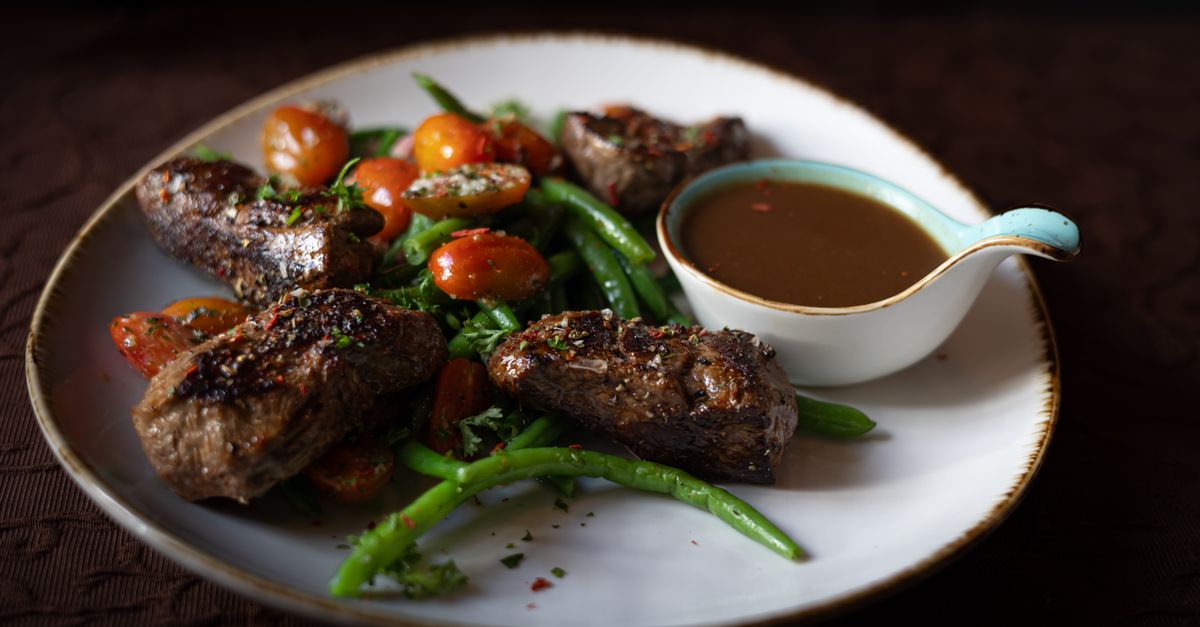
Why Your Homemade Gravy Is Lumpy (And What Actually Works for Silky-Smooth Perfection Every Time)
Stop making lumpy gravy! Discover why traditional methods fail and learn the simple, pro techniques for perfectly smooth, rich gravy every time.
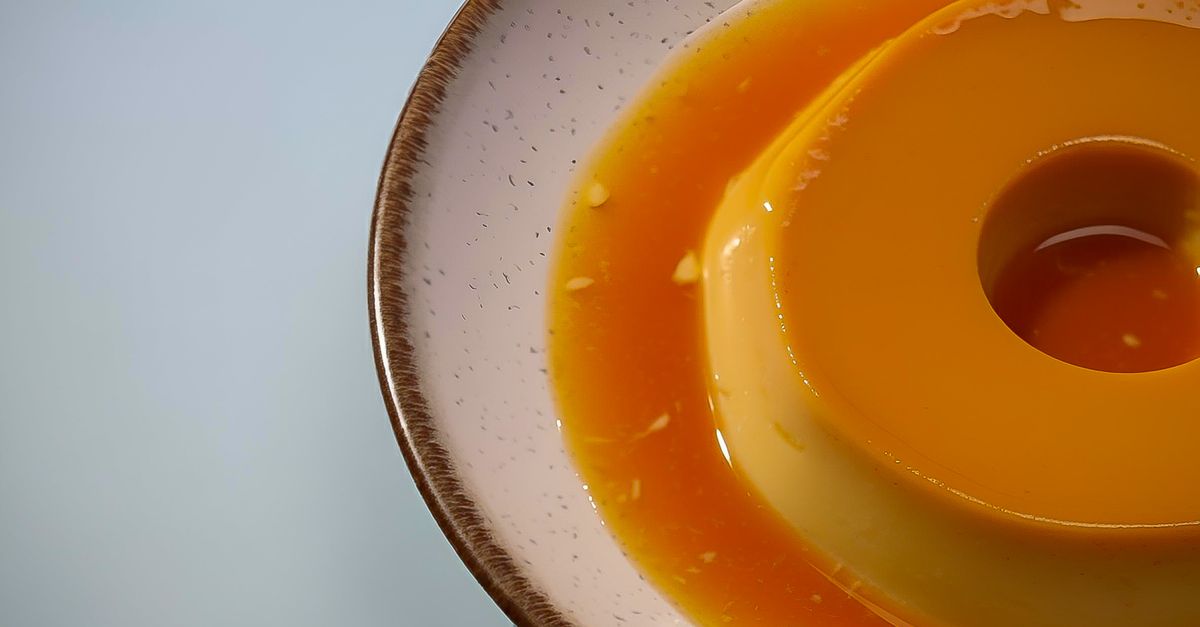
Why Your Homemade Sauces Are Gritty, Not Smooth (And The Simple Shifts That Guarantee Silky Perfection Every Time)
Stop settling for gritty sauces. Discover the non-obvious mistakes home cooks make and the simple, professional shifts for velvety-smooth perfection.
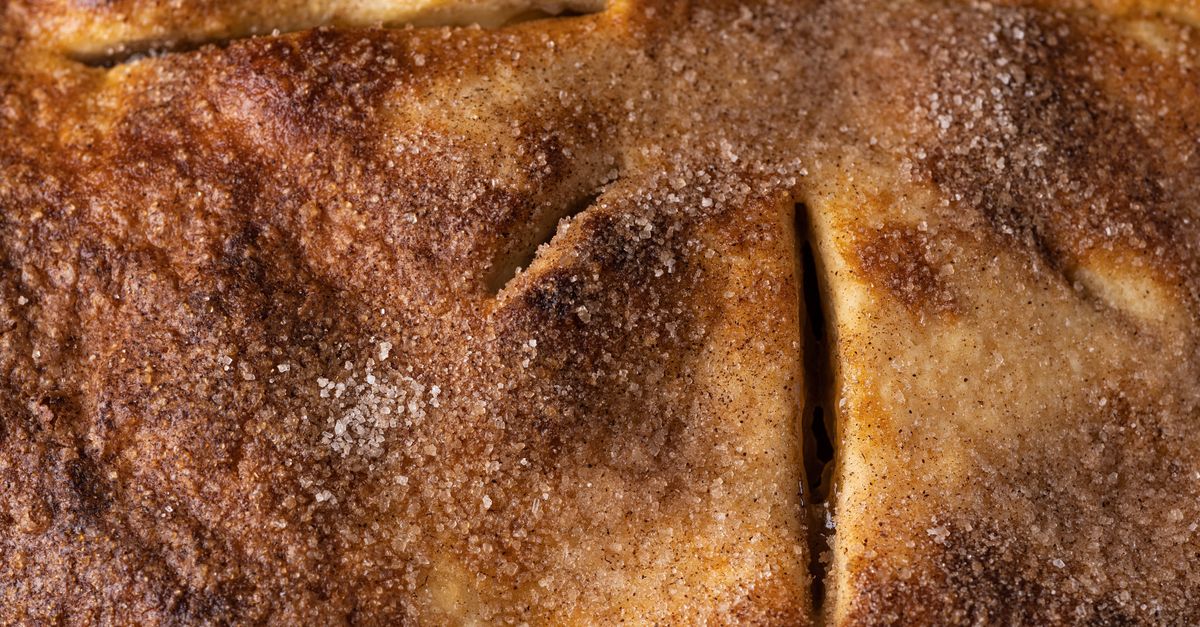
Why Your Homemade Pie Crust Shrinks (And The Simple Shifts That Guarantee Perfect, Flaky Edges Every Time)
Stop wrestling with shrinking pie crusts! Discover the simple, often overlooked secrets to perfectly stable, flaky edges that hold their shape.